


Vacuum Aluminum Deposition: Process, Requirements, and Troubleshooting
author: Hover Technology
2026-01-09

Process Fundamentals and Material Requirements
The process requires a vacuum level better than 10⁻³ Pa to prevent oxidation and ensure uniform deposition. Key operational parameters include a web speed of 280-320 m/min, a controlled aluminum feed rate, and precise heating current for the evaporation boats to achieve a target aluminum thickness of 100-300 Å.
The process requires a vacuum level better than 10⁻³ Pa to prevent oxidation and ensure uniform deposition. Key operational parameters include a web speed of 280-320 m/min, a controlled aluminum feed rate, and precise heating current for the evaporation boats to achieve a target aluminum thickness of 100-300 Å.
Not all materials are suitable. Ideal substrates must meet stringent criteria:
-
Surface Quality: Smooth, flat, and uniform in thickness.
-
Physical Properties: Appropriate stiffness and friction coefficient; surface tension >38 Dyn/cm².
-
Thermal Stability: Withstand heat radiation from the evaporation source.
-
Low Moisture Content: Typically below 0.1% to prevent outgassing.
Common film substrates include Polyester (PET), Polypropylene (PP), Polyamide (PA), Polyethylene (PE), and Polyvinyl Chloride (PVC). Performance can be enhanced by applying a primer before deposition to improve adhesion, followed by a protective resin coating post-deposition to prevent aluminum oxidation.
Common Defects and Solutions
Maintaining consistent quality requires addressing several common issues:
Maintaining consistent quality requires addressing several common issues:
|
Defect
|
Primary Causes
|
Corrective Actions
|
|---|---|---|
|
Brown Stripes
|
1. Low vacuum level.
2. Film outgassing. 3. Excessive aluminum spraying. 4. Impurities or aged evaporation boats. |
1. Clean the vacuum chamber; check pumping system.
2. Pre-dry film; extend pumping time. 3. Increase web speed; reduce boat current/aluminum feed. 4. Clean or replace evaporation boats. |
|
Pinholes in Film
|
1. Overfilled evaporation boats.
2. Electrical short between boats. 3. Flying debris inside the chamber. |
1. Reduce aluminum feed; increase boat current.
2. Eliminate the electrical short. 3. Thoroughly clean all internal components. |
|
Film Stretching
|
1. Excessive substrate tension.
2. Malfunctioning cooling system. |
1. Adjust tension control systems to reduce stress.
2. Check and repair the cooling system. |
Conclusion
Successful vacuum aluminum deposition hinges on precise control of the vacuum environment, material properties, and machine parameters. A deep understanding of the interaction between these factors is key to troubleshooting defects, optimizing production, and ensuring a high-quality, durable metallized film.
Successful vacuum aluminum deposition hinges on precise control of the vacuum environment, material properties, and machine parameters. A deep understanding of the interaction between these factors is key to troubleshooting defects, optimizing production, and ensuring a high-quality, durable metallized film.
Disclaimer: This article provides a general technical overview of the vacuum aluminum deposition process for informational purposes. Specific machine parameters, material behaviors, and corrective actions may vary based on equipment, substrate, and plant conditions. This information does not substitute for professional process engineering advice or equipment manufacturer guidelines.
Overview of Pump Shaft Seal Technology Development
Analysis of Unilateral Shaft Wear in Magnetic Drive Pumps
Related Article
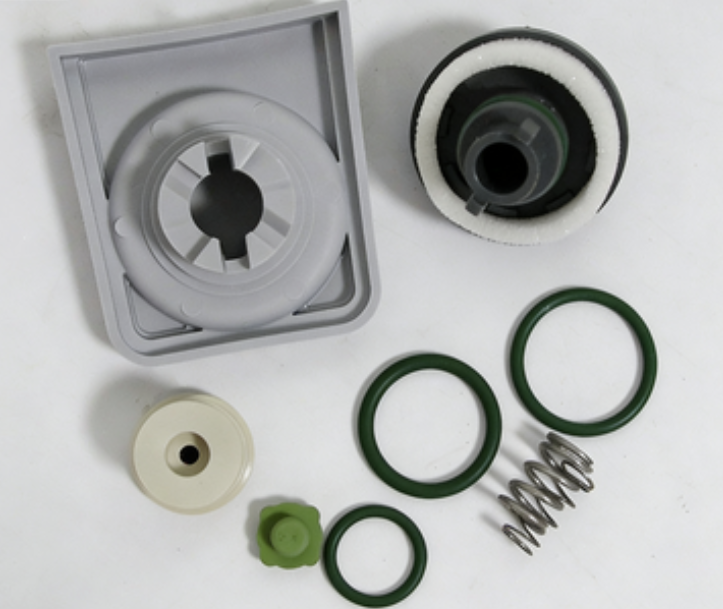
The Edwards A73001803 gas ballast valve service kit restores XDS35i dry scroll pump vapour handling and prevents condensate damage, with complete valve pad, NRV spring and FKM O-ring parts for scheduled maintenance.
The Silent Failure Inside Your Edwards XDS35i: A Worn Gas Ballast Valve and the $100 Kit That Fixes It FOR IMMEDIATE RELEASE
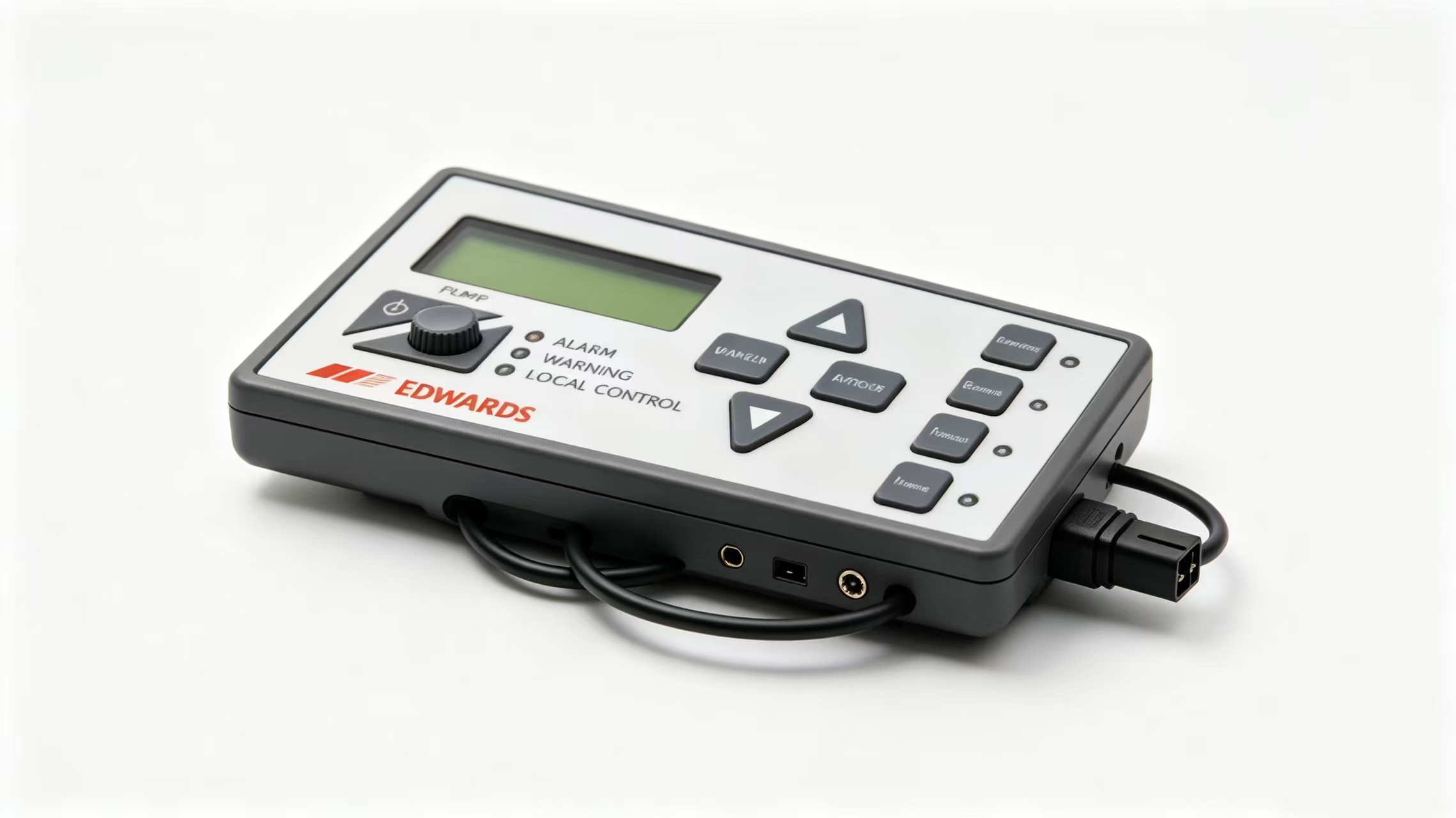
The EDWARDS Vacuum Pump Handheld Remote Controller is an OEM‑compatible handheld human‑machine terminal for Edwards vacuum pump systems. Featuring LCD display, function keys and status LED indicators (PUMP, ALARM, WARNING, LOCAL CONTROL), it supports remote start‑stop, parameter configuration, real‑time status monitoring and fault‑code reading. Plug‑and‑play wired connection.
EDWARDS Vacuum Pump Handheld Remote Controller: Key Specs, Setup & Use Cases
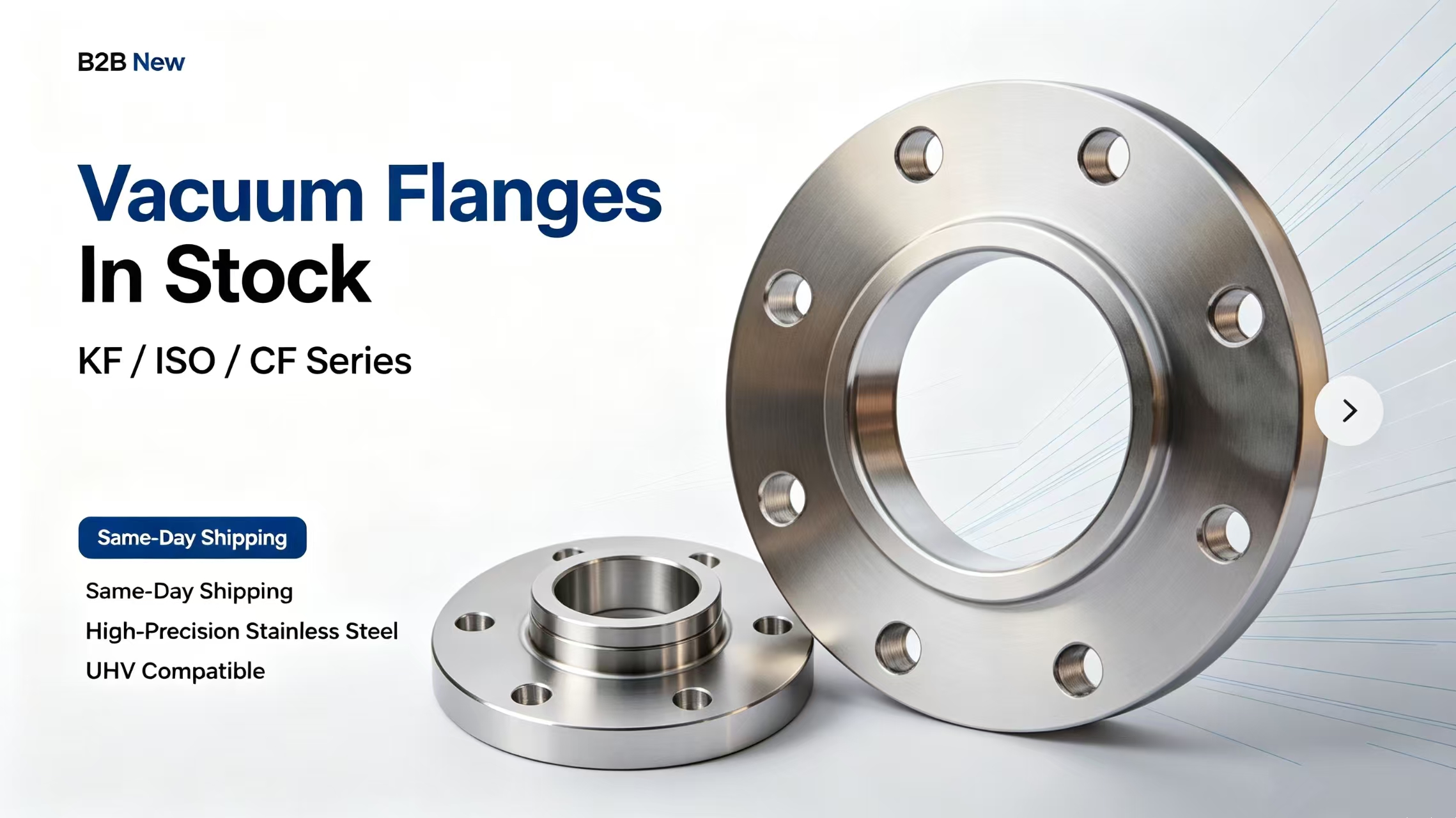
Our high precision stainless steel vacuum flanges covering KF, ISO and CF specifications are available. Stable supply provides reliable vacuum connection solutions for vacuum system manufacturers and semiconductor research facilities.
Stop Waiting Long OEM Lead Time for Vacuum Flanges: High-Precision KF, ISO & CF Stainless Steel Series Available
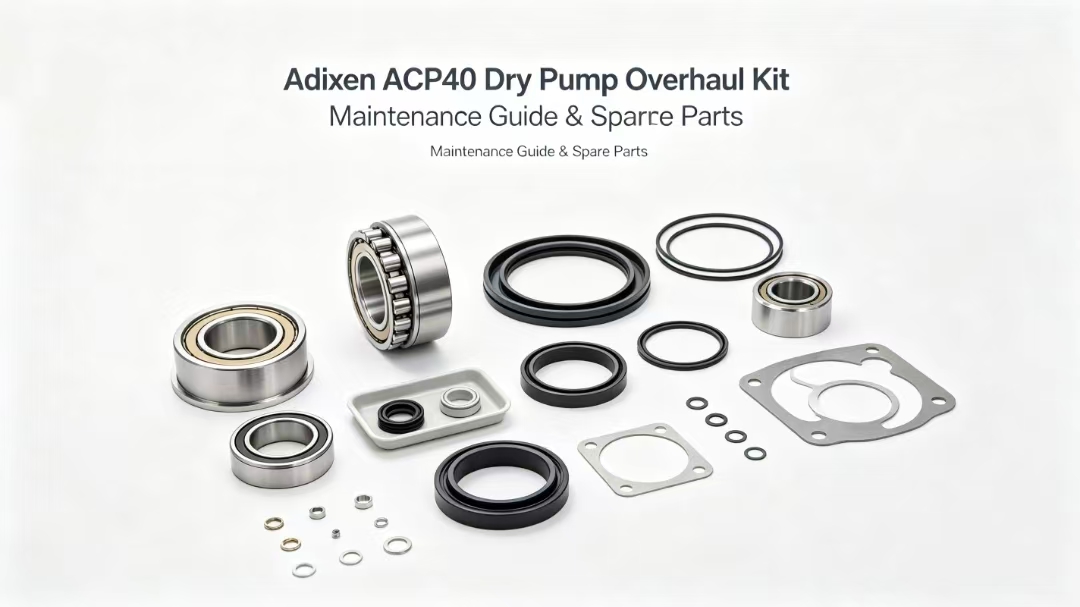
Maximize your uptime and extend the lifespan of your critical vacuum equipment with our comprehensive Pfeiffer Adixen ACP40 Major Repair Kit. Designed specifically for the demanding needs of dynamic dry vacuum pumps, this kit offers everything required for a professional-grade overhaul.
Revitalize Your Pfeiffer Adixen ACP40: Complete Maintenance Kits & Overhaul Guide