


The Critical Role of Bellows in Control Valves: Selection, Application, and Best Practices
author: hover Technology
2025-12-19

1. Core Function and Primary Types
The primary function of a bellows in a control valve is isolation. It serves three critical purposes:
-
Containing Hazardous Media: Preventing the leakage of toxic, volatile, or expensive process fluids (e.g., chlorine, silicon powder) into the environment.
-
Excluding Contaminants: Shielding the valve internals from external pollutants like dust, which could cause contamination, abrasion, or valve seizure.
-
Protecting Valve Components: Shielding the valve stem from direct (erosion) and corrosion by the medium.
Bellows are typically installed in one of two configurations: internally within the valve body (often made of PTFE and integrated with the bonnet) or externally on the valve stem (typically metallic with a protective shroud).
2. Material Selection: Plastic vs. Metal Bellows
A. Plastic (PTFE) Bellows
-
Advantages: Cost-effective, excellent corrosion resistance to acids like hydrochloric and formic acid, and simple manufacturing. They are widely used across industries.
-
Limitations: Application is constrained by temperature (usually ≤180°C), pressure (generally ≤12 bar/174 psi), and chemical compatibility. Certain media chemically similar to PTFE can cause swelling ("like dissolves like"). Service life is typically around 5 years.
B. Metal Bellows
Metal bellows are the solution for demanding services where plastic is unsuitable. They are not limited by the same temperature and pressure constraints and offer broader material choices (e.g., stainless steels, Hastelloy).
Metal bellows are the solution for demanding services where plastic is unsuitable. They are not limited by the same temperature and pressure constraints and offer broader material choices (e.g., stainless steels, Hastelloy).
-
Formed Bellows: Made by mechanical hydroforming. They offer a good cost-performance balance and are widely available from numerous manufacturers.
-
Welded Bellows: Constructed by welding individual diaphragms. They provide superior precision, longer life (often 10+ years), and better performance but at a higher cost, especially in special alloys. They are essential for ultra-hazardous services (e.g., phosgene, chlorine gas).
3. Selection Considerations and Conclusion
Selecting the correct bellows is crucial, as failure can lead to valve inoperability, costly downtime, and safety incidents. Key factors include:
-
Process Media: Chemical composition, toxicity, and phase.
-
Operating Conditions: Temperature, pressure, and cycle frequency.
-
Total Cost of Ownership: Balancing initial cost against expected service life and maintenance needs.
For severe services involving extreme conditions or highly toxic media, welded metal bellows are often the mandatory choice despite their higher initial cost, due to their unmatched reliability and safety integrity.
Disclaimer:
This technical article is for informational purposes only and is based on the provided source material and general industry knowledge. It is not intended as definitive engineering advice, product specification, or a substitute for professional consultation with qualified engineers. Product performance, longevity, and suitability depend on specific application conditions. We recommend consulting directly with valve and seal manufacturers for final design and selection decisions. The mention of specific brands (e.g., RICHTER, Fisher) is for illustrative context only and does not constitute an endorsement.
Edwards Bellows Seal A73501718 nxds6i nxds10i nxds15i nxds20 Vacuum Part Seal - Hover Technology
This technical article is for informational purposes only and is based on the provided source material and general industry knowledge. It is not intended as definitive engineering advice, product specification, or a substitute for professional consultation with qualified engineers. Product performance, longevity, and suitability depend on specific application conditions. We recommend consulting directly with valve and seal manufacturers for final design and selection decisions. The mention of specific brands (e.g., RICHTER, Fisher) is for illustrative context only and does not constitute an endorsement.
Edwards Bellows Seal A73501718 nxds6i nxds10i nxds15i nxds20 Vacuum Part Seal - Hover Technology
Understanding Vacuum Gauge Types Classifications and Their Measurement
Related Article
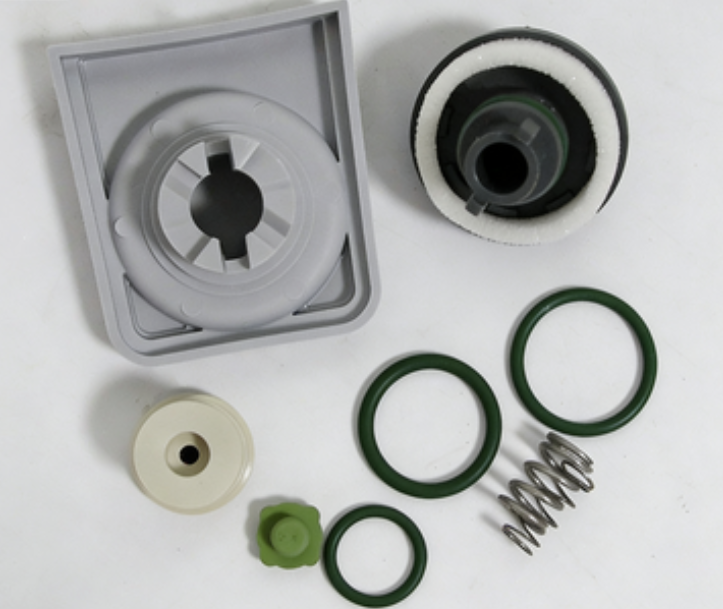
The Edwards A73001803 gas ballast valve service kit restores XDS35i dry scroll pump vapour handling and prevents condensate damage, with complete valve pad, NRV spring and FKM O-ring parts for scheduled maintenance.
The Silent Failure Inside Your Edwards XDS35i: A Worn Gas Ballast Valve and the $100 Kit That Fixes It FOR IMMEDIATE RELEASE
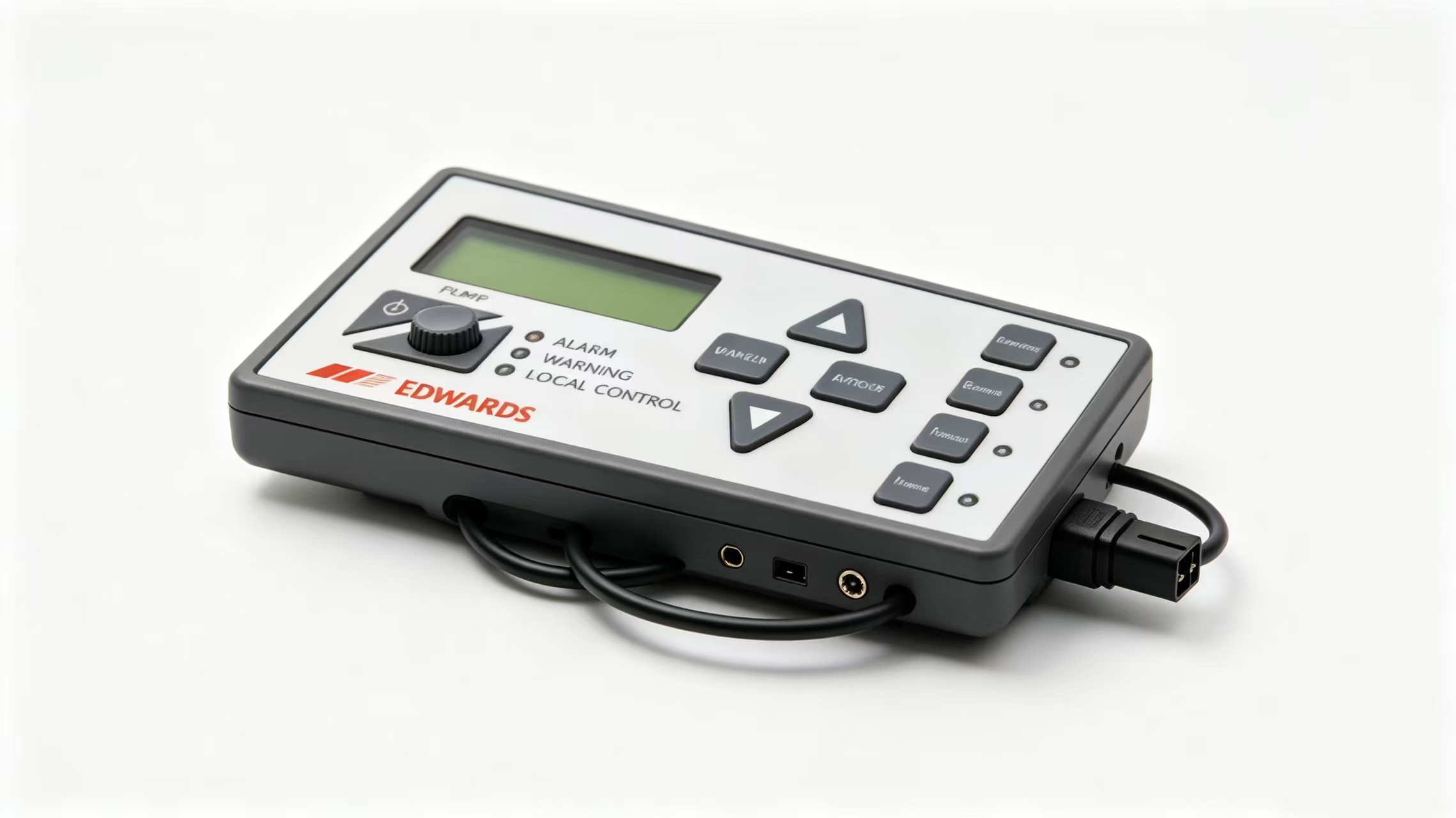
The EDWARDS Vacuum Pump Handheld Remote Controller is an OEM‑compatible handheld human‑machine terminal for Edwards vacuum pump systems. Featuring LCD display, function keys and status LED indicators (PUMP, ALARM, WARNING, LOCAL CONTROL), it supports remote start‑stop, parameter configuration, real‑time status monitoring and fault‑code reading. Plug‑and‑play wired connection.
EDWARDS Vacuum Pump Handheld Remote Controller: Key Specs, Setup & Use Cases
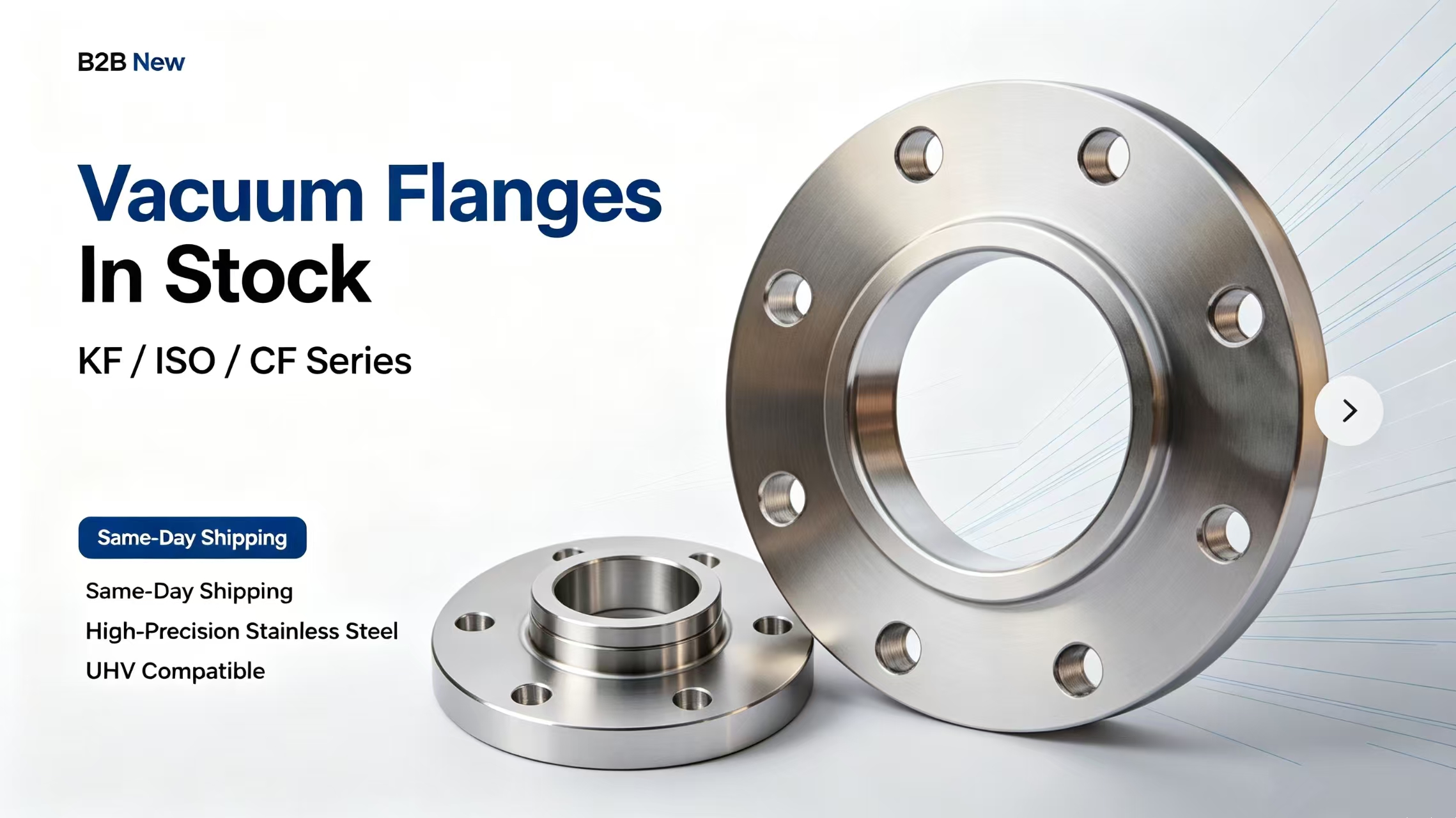
Our high precision stainless steel vacuum flanges covering KF, ISO and CF specifications are available. Stable supply provides reliable vacuum connection solutions for vacuum system manufacturers and semiconductor research facilities.
Stop Waiting Long OEM Lead Time for Vacuum Flanges: High-Precision KF, ISO & CF Stainless Steel Series Available
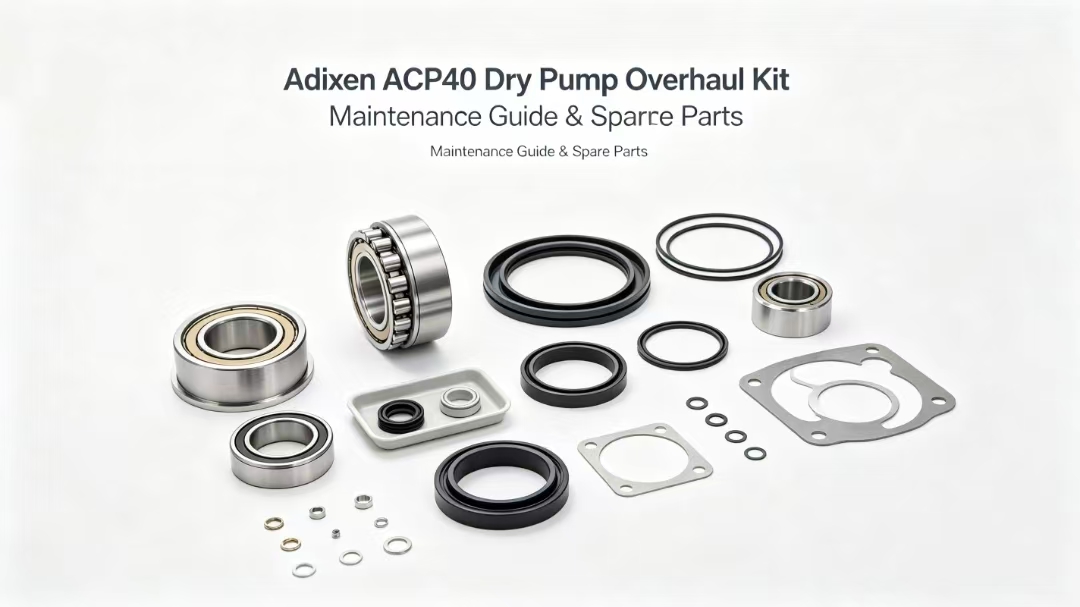
Maximize your uptime and extend the lifespan of your critical vacuum equipment with our comprehensive Pfeiffer Adixen ACP40 Major Repair Kit. Designed specifically for the demanding needs of dynamic dry vacuum pumps, this kit offers everything required for a professional-grade overhaul.
Revitalize Your Pfeiffer Adixen ACP40: Complete Maintenance Kits & Overhaul Guide