


Understanding Helium Mass Spectrometer Leak Detection: Conventional vs. Counter-Flow Methods
author: Hover Technology
2026-01-22

1. The Conventional (Direct Flow) Method
This is the classic and most widely used setup. The device under test is connected directly to the inlet of the mass spectrometer tube. Helium tracer gas entering through a leak flows with the pumping direction of the system, directly into the sensitive detector for measurement. This method requires the test piece to be under a high vacuum, typically below 0.05 Pa, to prevent damage to the spectrometer's filament and to ensure optimal sensitivity for detecting very small leaks.
This is the classic and most widely used setup. The device under test is connected directly to the inlet of the mass spectrometer tube. Helium tracer gas entering through a leak flows with the pumping direction of the system, directly into the sensitive detector for measurement. This method requires the test piece to be under a high vacuum, typically below 0.05 Pa, to prevent damage to the spectrometer's filament and to ensure optimal sensitivity for detecting very small leaks.
2. The Counter-Flow (Reverse Diffusion) Method: Principle and Advantage
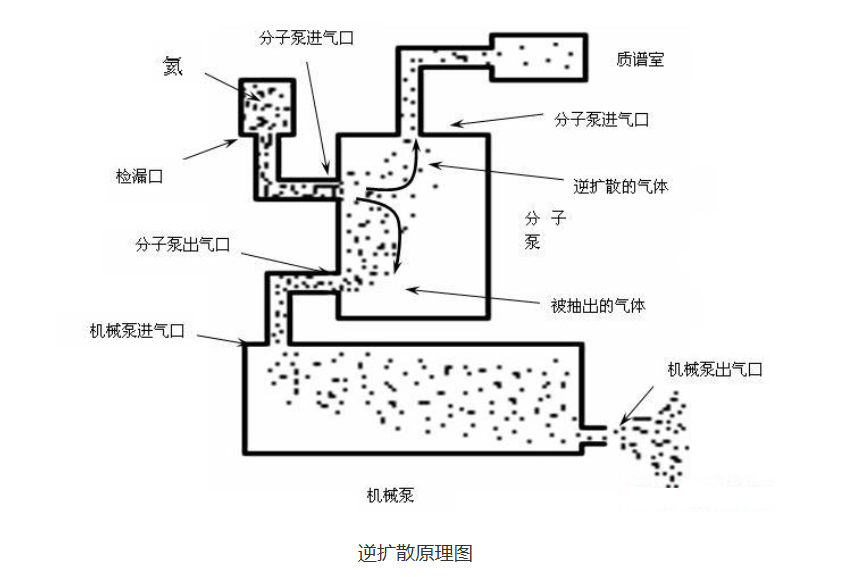
The Counter-Flow method, as illustrated in the principle diagram, represents a more advanced and flexible configuration. Here, the test object is connected to the exhaust (or foreline) side of the system's turbomolecular pump. Any leaking helium must travel against the normal pumping direction, "reverse diffusing" through the pump to reach the mass spectrometer tube located on the pump's inlet side.
The Counter-Flow method, as illustrated in the principle diagram, represents a more advanced and flexible configuration. Here, the test object is connected to the exhaust (or foreline) side of the system's turbomolecular pump. Any leaking helium must travel against the normal pumping direction, "reverse diffusing" through the pump to reach the mass spectrometer tube located on the pump's inlet side.
This ingenious design leverages the compression ratio of a turbomolecular pump, which is gas-mass dependent. The pump has a very high compression ratio for heavy molecules (like vacuum chamber residuals) but a significantly lower ratio for light gases like helium. This physical property allows helium to back-diffuse effectively while maintaining a strong pumping action on other gases.
3. Key Advantages and Applications of Counter-Flow Detection
The Counter-Flow method offers distinct practical benefits:
The Counter-Flow method offers distinct practical benefits:
-
Higher Tolerable Test Pressure: It allows the test piece to be at a much higher internal pressure. Instruments like the SFJ-231/241 models can test objects at pressures up to 1000 Pa, compared to the strict high-vacuum requirement of the conventional mode.
-
Ideal for Challenging Applications: This makes it perfectly suited for leak-checking large volumes (like tanks or chambers), components with known larger leaks, or for sniffer probe ("sniffing") techniques where the probe draws in ambient air potentially containing tracer gas.
-
Enhanced System Protection: Since the mass spectrometer tube remains under high vacuum behind the turbo pump, it is shielded from contamination by oil, moisture, or particulates from the test object. This dramatically extends the life of the detector's hot-cathode filament.
Conclusion
While the Conventional method offers the ultimate sensitivity for fine leaks on pre-evacuated parts, the Counter-Flow method provides remarkable versatility and robustness for industrial applications. Its ability to handle higher pressures and protect the sensitive detector makes it an invaluable technique for production lines, field testing, and servicing large or potentially dirty systems. Choosing between them depends fundamentally on the physical state of the component to be tested and the required testing protocol.
While the Conventional method offers the ultimate sensitivity for fine leaks on pre-evacuated parts, the Counter-Flow method provides remarkable versatility and robustness for industrial applications. Its ability to handle higher pressures and protect the sensitive detector makes it an invaluable technique for production lines, field testing, and servicing large or potentially dirty systems. Choosing between them depends fundamentally on the physical state of the component to be tested and the required testing protocol.
A Guide to Different Vacuum Pumps in a System
Understanding Dielectrics: A Contrast with Conductors and Semiconductors
Related Article
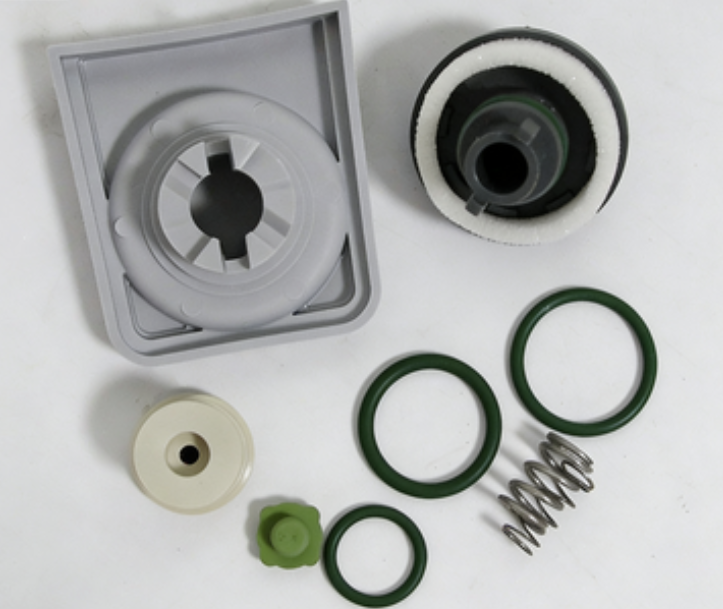
The Edwards A73001803 gas ballast valve service kit restores XDS35i dry scroll pump vapour handling and prevents condensate damage, with complete valve pad, NRV spring and FKM O-ring parts for scheduled maintenance.
The Silent Failure Inside Your Edwards XDS35i: A Worn Gas Ballast Valve and the $100 Kit That Fixes It FOR IMMEDIATE RELEASE
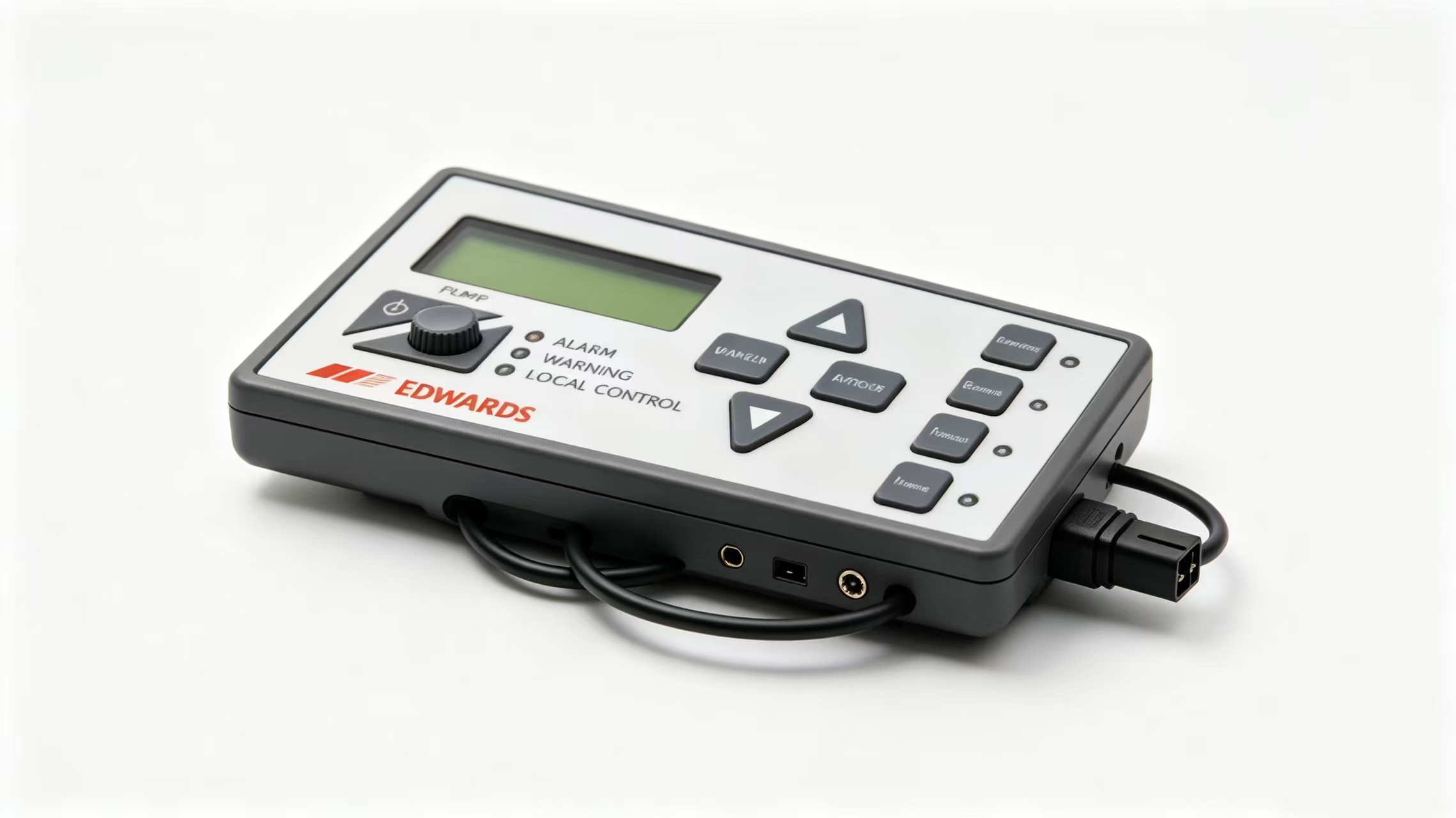
The EDWARDS Vacuum Pump Handheld Remote Controller is an OEM‑compatible handheld human‑machine terminal for Edwards vacuum pump systems. Featuring LCD display, function keys and status LED indicators (PUMP, ALARM, WARNING, LOCAL CONTROL), it supports remote start‑stop, parameter configuration, real‑time status monitoring and fault‑code reading. Plug‑and‑play wired connection.
EDWARDS Vacuum Pump Handheld Remote Controller: Key Specs, Setup & Use Cases

Our high precision stainless steel vacuum flanges covering KF, ISO and CF specifications are available. Stable supply provides reliable vacuum connection solutions for vacuum system manufacturers and semiconductor research facilities.
Stop Waiting Long OEM Lead Time for Vacuum Flanges: High-Precision KF, ISO & CF Stainless Steel Series Available

Maximize your uptime and extend the lifespan of your critical vacuum equipment with our comprehensive Pfeiffer Adixen ACP40 Major Repair Kit. Designed specifically for the demanding needs of dynamic dry vacuum pumps, this kit offers everything required for a professional-grade overhaul.
Revitalize Your Pfeiffer Adixen ACP40: Complete Maintenance Kits & Overhaul Guide