


Why Vacuum Pump Filters Are Critical for Preventing Particle Contamination in Edwards XDS35i Dry Scroll Pumps
author: Hover Technology
2026-06-25
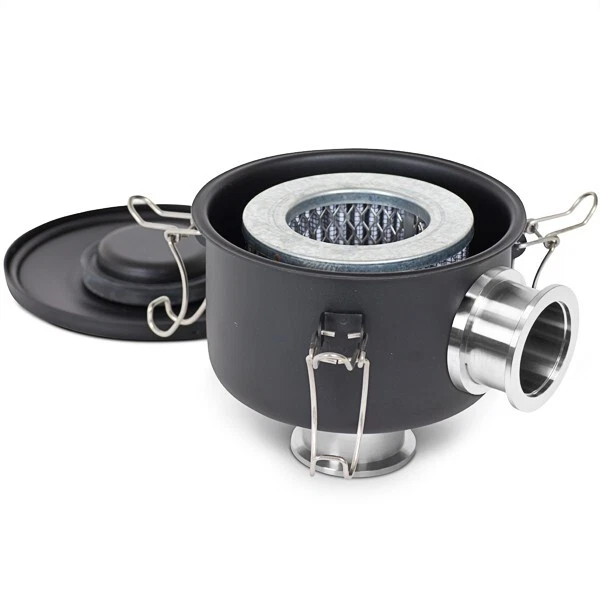
Product Overview
The Edwards XDS35i is a dry scroll vacuum pump designed to deliver clean, oil-free vacuum performance for laboratory, industrial, and analytical applications. It is widely used in environments where contamination control is essential, such as semiconductor support systems, research laboratories, and instrumentation processes.
Unlike oil-sealed vacuum pumps, dry scroll technology eliminates the need for lubrication inside the compression chamber. While this design significantly reduces oil-related contamination risks, it also introduces higher sensitivity to particulate matter due to tight internal mechanical clearances.
In such systems, the vacuum pump inlet filter plays an important role in protecting the pumping mechanism from airborne particles and process-generated debris.
Operating Principle of Dry Scroll Vacuum Technology
A dry scroll vacuum pump operates using two interleaved scroll structures: one fixed and one orbiting. As the orbiting scroll moves, gas is trapped in progressively smaller compression chambers and directed toward the exhaust.
This compression process depends on extremely small tolerances between scroll surfaces. These tolerances are essential for maintaining efficiency but also make the pump vulnerable to contamination.
When particles enter the compression chamber, they may interfere with the scroll motion or accumulate in critical contact areas. Over time, this can result in:
-
Increased mechanical wear
-
Reduced pumping efficiency
-
Higher operating temperatures
-
Decreased vacuum stability
To reduce these risks, a vacuum pump inlet filter is installed at the pump intake to capture airborne particles before they enter the system.
Contamination Mechanism in Dry Vacuum Systems
In industrial environments, vacuum pumps are often exposed to airborne dust, process residues, and microscopic particles. These contaminants may originate from manufacturing processes, ambient air, or upstream equipment.
Once inside a dry scroll pump, particles are difficult to remove and may accumulate in narrow clearances. This leads to gradual degradation of performance rather than immediate failure, making contamination issues harder to detect in early stages.
This is why particle filtration is considered an important part of system design rather than an optional accessory.
Key Characteristics of Vacuum Pump Filtration
A properly designed vacuum pump inlet filter provides several functional advantages in dry vacuum systems.
It reduces the amount of airborne particulate matter entering the pump, helping maintain internal cleanliness and reducing mechanical wear on scroll surfaces. This contributes directly to more stable vacuum performance over time.
Filtration also helps maintain consistent pumping speed by preventing internal blockage or friction caused by particle accumulation. In many systems, this results in longer maintenance intervals and improved operational stability.
Modern vacuum pump filter designs are compatible with dry scroll pumps, dry screw pumps, and other oil-free vacuum technologies used in industrial applications.
Typical Application Environments
Vacuum pump filtration is used across a wide range of industries where process stability and contamination control are required.
In semiconductor-related environments, filtration helps reduce the risk of particle contamination affecting sensitive processes. In analytical instrumentation, stable and clean vacuum conditions are necessary for accurate measurement and system reliability.
Research laboratories benefit from filtration due to variable operating conditions and diverse experimental setups. Industrial manufacturing processes such as coating, vacuum drying, packaging, and material handling also rely on controlled vacuum environments to ensure product consistency.
In electronics manufacturing, where precision and cleanliness are critical, vacuum pump filtration is often integrated into system-level contamination control strategies.
Performance Considerations for Filter Selection
Selecting a vacuum pump inlet filter for an Edwards XDS35i system requires balancing multiple performance factors.
Filtration efficiency is a primary consideration, as higher efficiency improves particle capture but may introduce additional pressure drop. Flow capacity must also be sufficient to avoid restricting pump performance under normal operating conditions.
Pressure drop across the filter should be carefully evaluated, since excessive resistance can reduce effective pumping speed and increase energy consumption.
The level of contamination in the operating environment is another important factor, as high-dust conditions require more frequent maintenance and potentially higher-capacity filtration solutions.
Maintenance strategy is equally important. Filters should be monitored and replaced based on operating conditions to prevent saturation, which can negatively affect system performance.
Additional Technical Considerations
In vacuum system design, both inlet and exhaust filtration may be used depending on application requirements. Inlet filtration primarily protects the pump mechanism, while exhaust filtration may be used to manage downstream contamination or process emissions.
In Edwards XDS35i systems, components such as the NRD383000 filter are commonly used as part of inlet or exhaust configurations depending on installation requirements. These components support particle control while maintaining system integration flexibility.
Typical indicators of filter saturation include reduced pumping speed, increased operating temperature, unstable vacuum readings, and increased system load. These symptoms often suggest that the vacuum pump inlet filter requires inspection or replacement.
Engineers evaluating vacuum systems often also consider related concepts such as dry vacuum pump maintenance, contamination control strategies, and particulate management in vacuum environments.
Summary
The Edwards XDS35i dry scroll vacuum pump provides reliable oil-free vacuum performance for a wide range of industrial and laboratory applications. However, due to its precision mechanical design, it is sensitive to particle contamination.
A vacuum pump inlet filter plays an important role in reducing contamination risk by capturing airborne particles before they enter the pump system. When properly selected and maintained, it helps improve system stability, reduce wear, and extend equipment service life.
In modern vacuum system design, filtration is not only a protective measure but also an essential factor in ensuring long-term operational reliability.
Edwards XDS Dry Pump Repair Kits Guide: Common Faults & Maintenance Solutions
Edwards E2M28 Vacuum Pump Troubleshooting Guide: Vacuum Loss, Oil Leakage and Maintenance Insights
Related Article
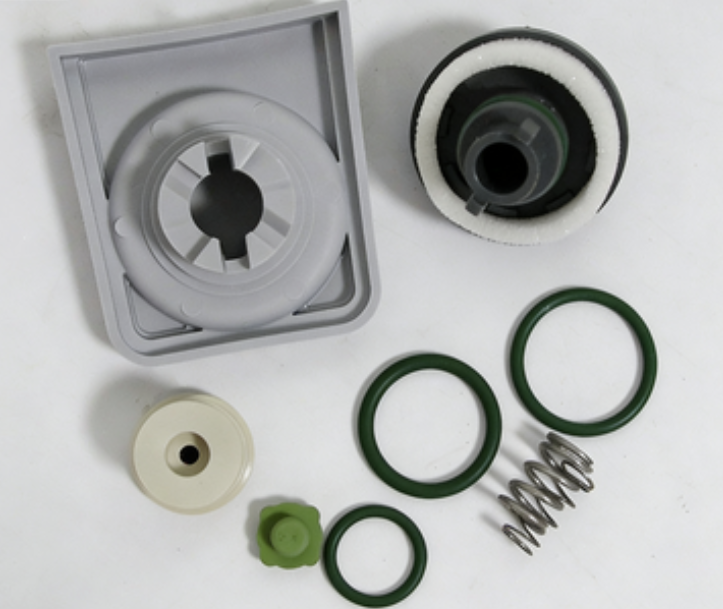
The Edwards A73001803 gas ballast valve service kit restores XDS35i dry scroll pump vapour handling and prevents condensate damage, with complete valve pad, NRV spring and FKM O-ring parts for scheduled maintenance.
The Silent Failure Inside Your Edwards XDS35i: A Worn Gas Ballast Valve and the $100 Kit That Fixes It FOR IMMEDIATE RELEASE
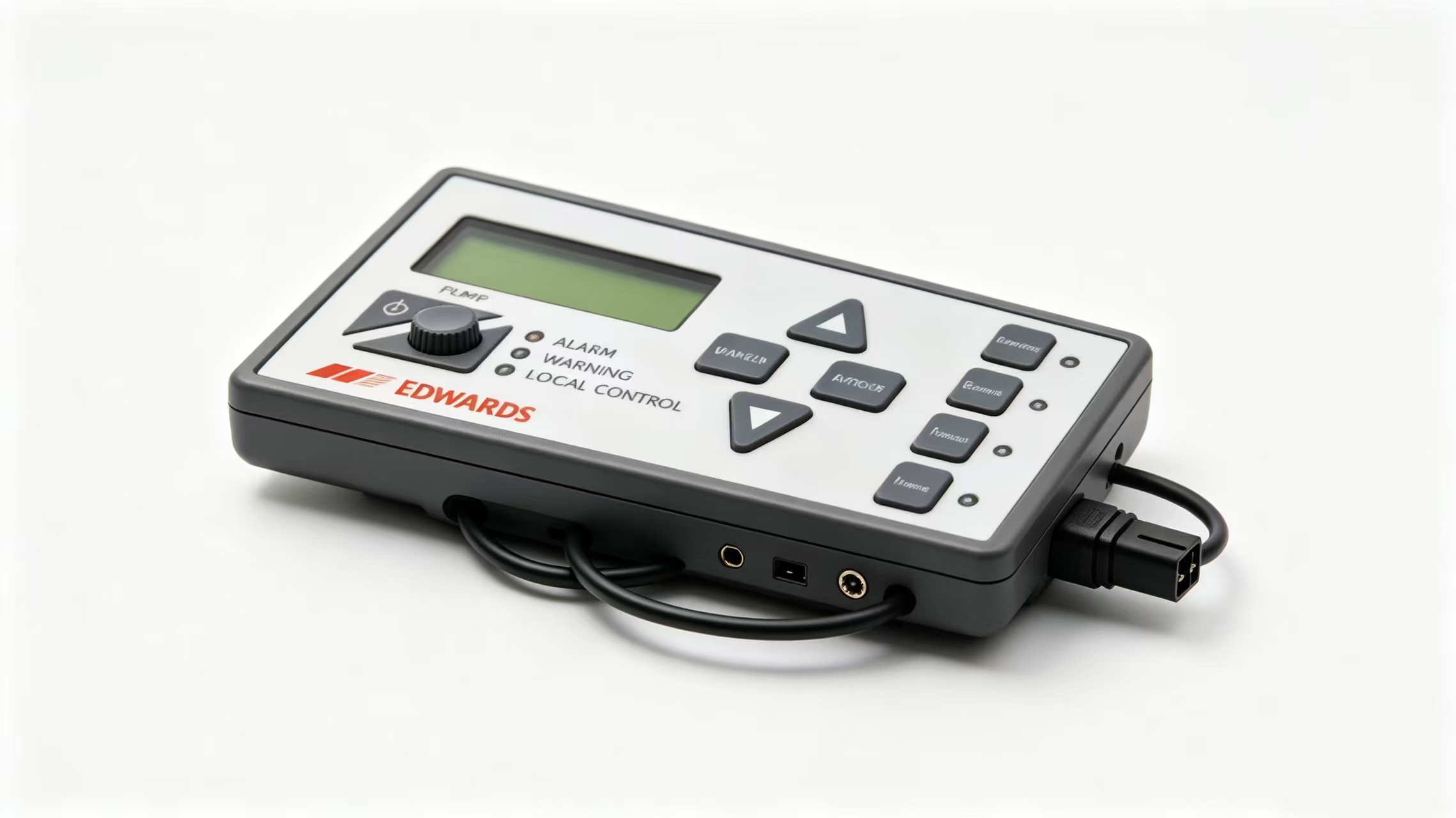
The EDWARDS Vacuum Pump Handheld Remote Controller is an OEM‑compatible handheld human‑machine terminal for Edwards vacuum pump systems. Featuring LCD display, function keys and status LED indicators (PUMP, ALARM, WARNING, LOCAL CONTROL), it supports remote start‑stop, parameter configuration, real‑time status monitoring and fault‑code reading. Plug‑and‑play wired connection.
EDWARDS Vacuum Pump Handheld Remote Controller: Key Specs, Setup & Use Cases
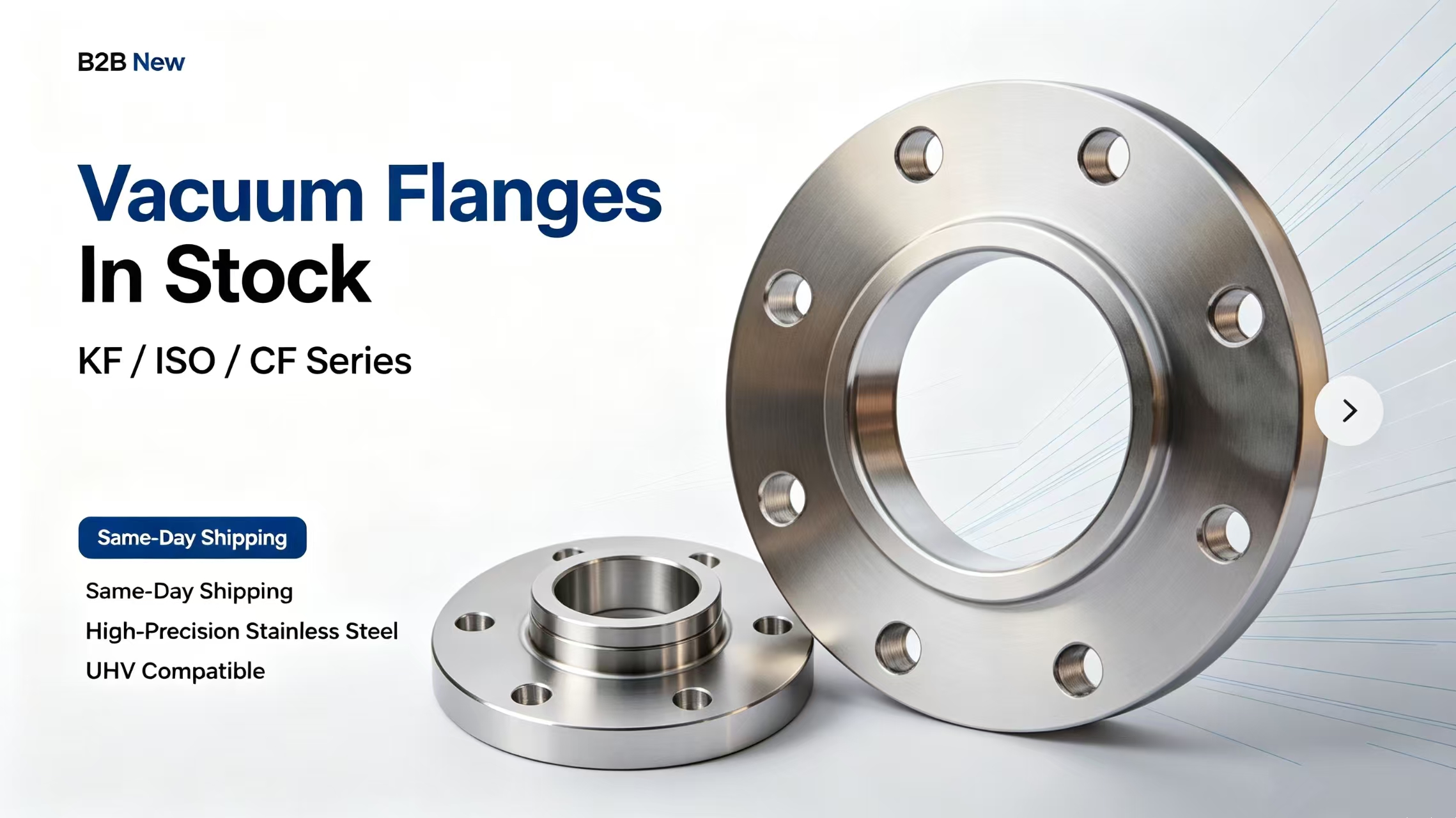
Our high precision stainless steel vacuum flanges covering KF, ISO and CF specifications are available. Stable supply provides reliable vacuum connection solutions for vacuum system manufacturers and semiconductor research facilities.
Stop Waiting Long OEM Lead Time for Vacuum Flanges: High-Precision KF, ISO & CF Stainless Steel Series Available
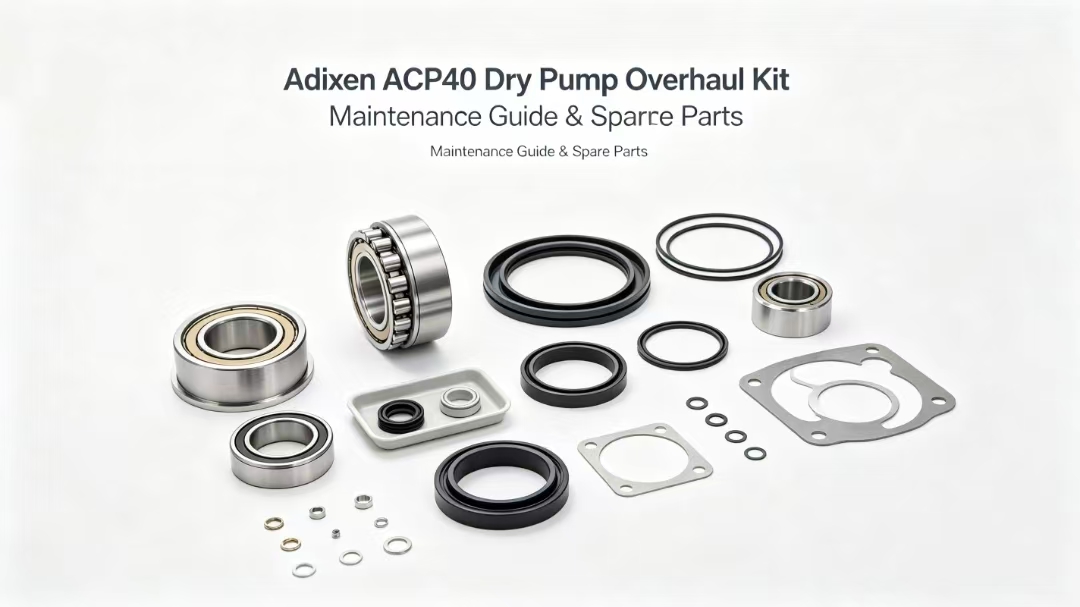
Maximize your uptime and extend the lifespan of your critical vacuum equipment with our comprehensive Pfeiffer Adixen ACP40 Major Repair Kit. Designed specifically for the demanding needs of dynamic dry vacuum pumps, this kit offers everything required for a professional-grade overhaul.
Revitalize Your Pfeiffer Adixen ACP40: Complete Maintenance Kits & Overhaul Guide